
The quick answer
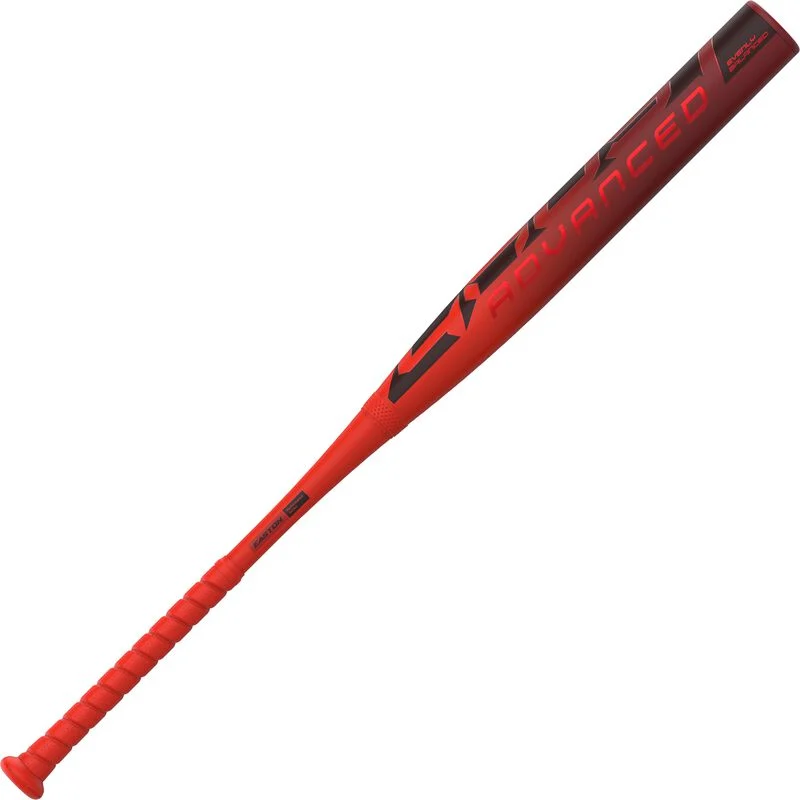
Bat drop equals stated weight in ounces minus length in inches. A 32-inch, 22-ounce bat is -10; a 32-inch, 29-ounce bat is -3. At the same length, a more negative drop means a lower stated weight. Drop does not describe certification, barrel balance, or every aspect of swing feel.
At a glance
| Length | Drop | Stated weight |
|---|---|---|
| 32 inches | -3 | 29 ounces |
| 32 inches | -5 | 27 ounces |
| 32 inches | -8 | 24 ounces |
| 32 inches | -10 | 22 ounces |
Calculate drop without the confusion
Subtract the length number from the ounce number. For a bat labeled 31 inches and 23 ounces, 23 minus 31 equals -8. To work backward from the label, add the negative drop to the length: 31 plus -8 gives 23 ounces.
This is an equipment-label convention using different units, not a general physical subtraction of inches from ounces. Keep both units on your shopping notes. “Drop ten” without a length is incomplete information: a 29-inch -10 and a 33-inch -10 have different stated weights.
Why the comparison needs the same length
At 30 inches, -10 gives 20 ounces and -8 gives 22 ounces. That is an easy comparison because only the stated weight changes. Comparing different lengths requires another step: a 32-inch -10 is 22 ounces, the same stated weight as a 30-inch -8.
Those two 22-ounce bats are not equivalent fitting choices. The length and distribution of material affect feel. We would compare the lengths the player can manage first, then investigate the available drop options inside the correct equipment category.
Drop weight is different from swing weight
Drop is printed arithmetic. Swing weight describes how demanding a bat feels to move through the swing. Two bats with the same length and stated weight may feel different if one concentrates more mass toward the barrel.
This explains why choosing a more negative drop does not automatically solve a fit problem. A very long bat can still be difficult to control. Balanced and end-loaded labels provide another clue, but a direct comparison of the exact size is more useful than choosing by one number.
Use drop to narrow a legal, manageable shortlist
Start with the current competition requirements. Some categories restrict permitted drop weights, and age advice in a buying guide is not a substitute for those rules. Check the certification and size-specific restrictions on the exact model.
Then write down length, stated ounces, drop, and balance for each candidate. This small comparison prevents a common mistake: assuming that a different paint scheme or a more expensive model explains a change that actually came from buying a longer, heavier bat.
Your questions, answered.
Is a -10 bat lighter than a -8 bat?
At the same length, yes: a -10 has two fewer stated ounces than a -8. If the lengths differ, calculate the weights before comparing.
What does -3 mean on a 33-inch bat?
The stated weight is 30 ounces: 33 plus -3 equals 30.
Does drop tell me whether a bat is balanced?
No. Drop describes length and stated weight; balance concerns how mass is distributed.
Do baseball and softball use the same drop calculation?
Yes, the label calculation is the same. Their models, sizes, certifications, and competition rules still need separate consideration.
Sources & further reading
Louisville Slugger: choosing a baseball bat ↗Rawlings: bat sizing reference ↗Louisville Slugger: fastpitch bat selection ↗Sources reviewed . For equipment care, follow the instructions for your exact model. For competition use, check your governing body’s current rules.