
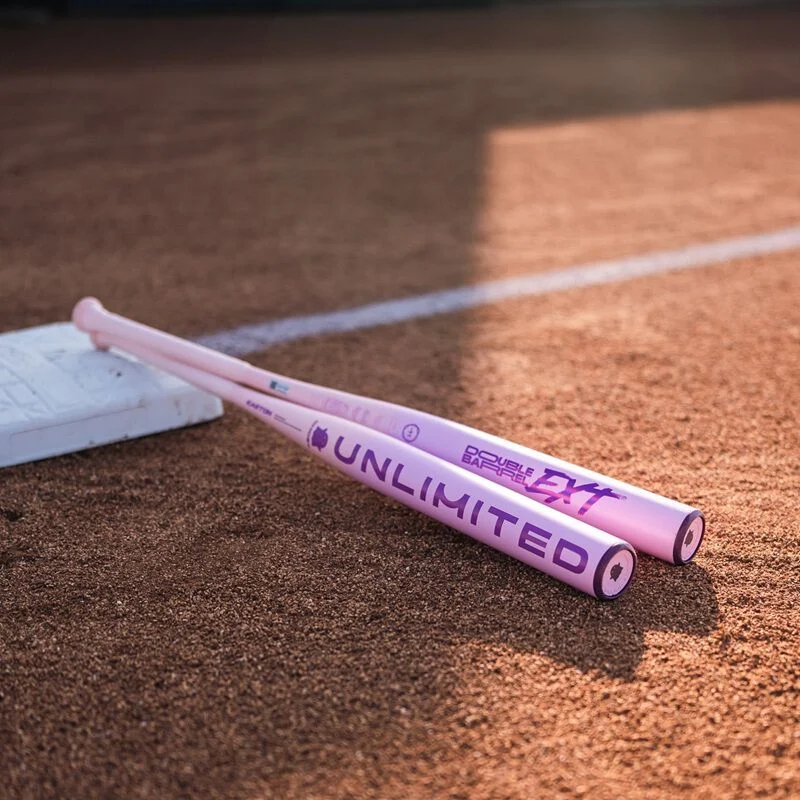
Balanced vs end-loaded bats: which should you choose?
Two bats can share a length and ounce label yet ask different things of your swing. Balance describes where the mass sits, not just how much the bat weighs.
Read the comparison →Know what matters. Choose what fits. Get more from your gear.
Two bats can share a length and ounce label yet ask different things of your swing. Balance describes where the mass sits, not just how much the bat weighs.
Read the comparison →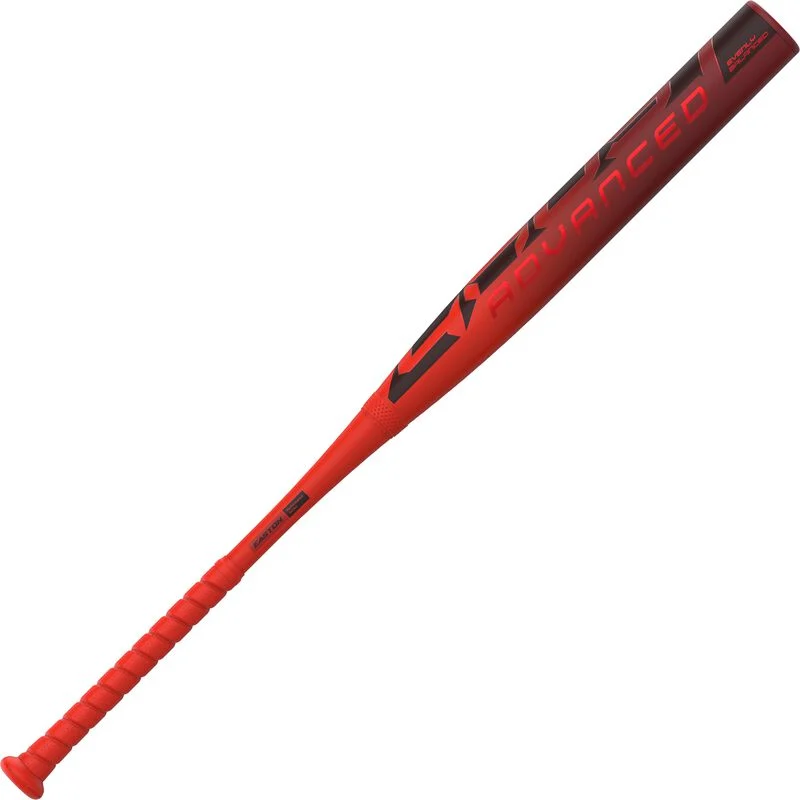
Construction and material are separate choices. Knowing that distinction makes it easier to compare a stiff-feeling alloy bat, a one-piece composite, and a connected two-piece design.
Read the comparison →A softball label is not the whole specification. Start by identifying the version of the game you play, then compare the correct models and association requirements.
Read the comparison →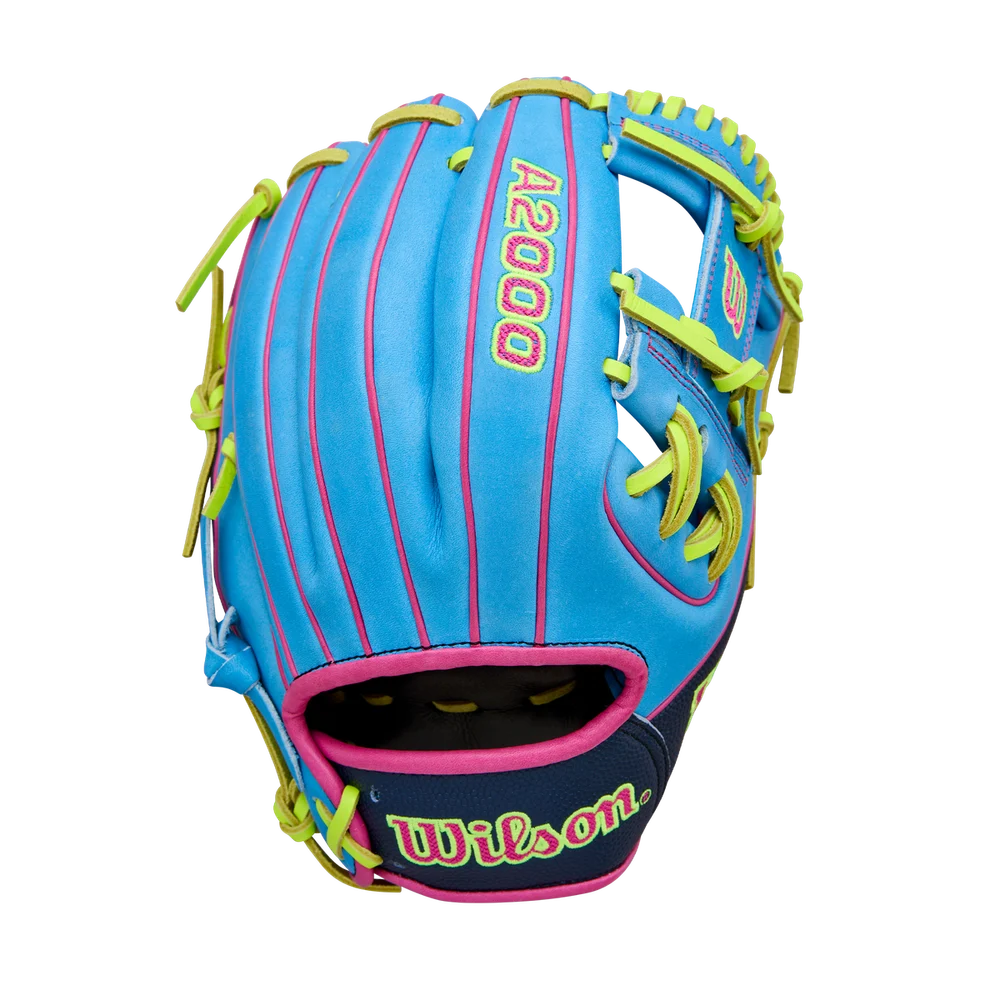
The number on the glove does not describe the whole pocket. A useful comparison starts with the ball, your position, and how securely the glove fits your hand.
Read the comparison →
The first question is whether you need a game bat, a practice tool, or a bat for a wood-only competition. The material decision becomes much clearer once that job is defined.
Read the comparison →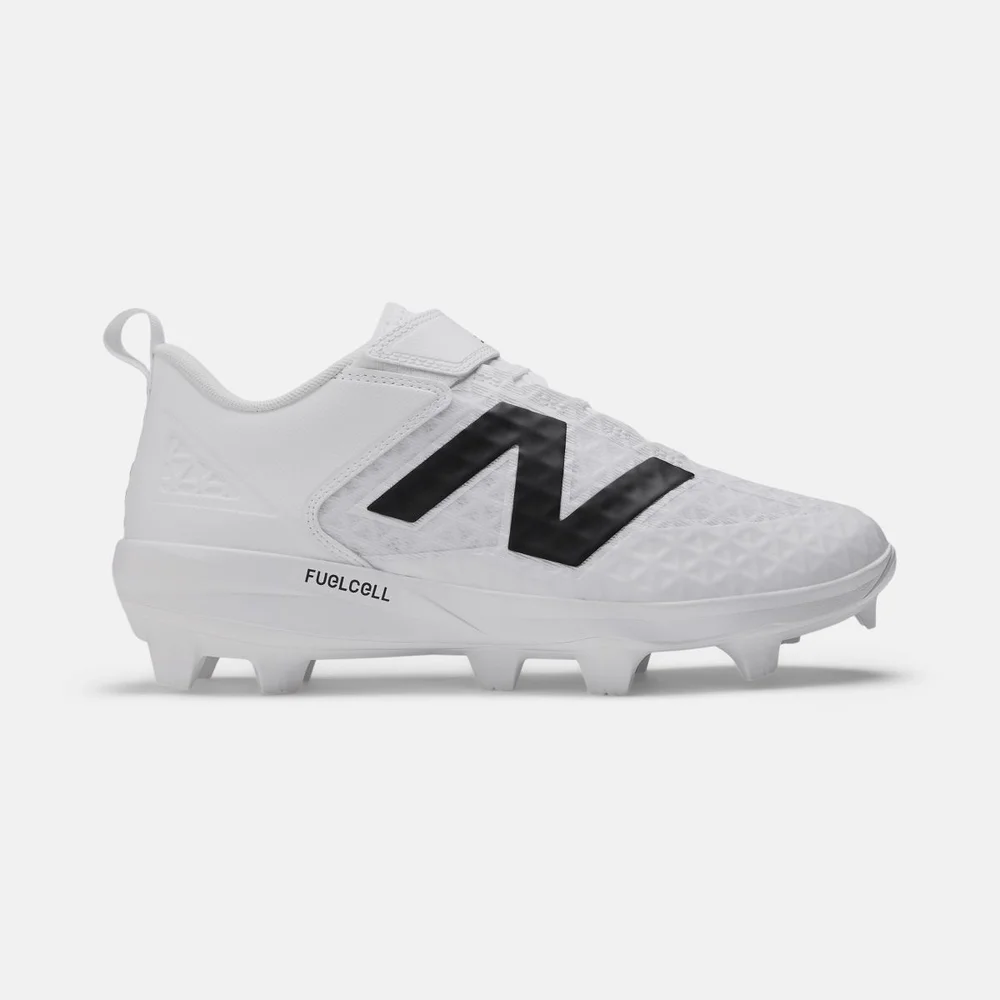
The right outsole starts with where you will play and what is permitted there. A shoe that fits well can still be the wrong purchase for the venue.
Read the comparison →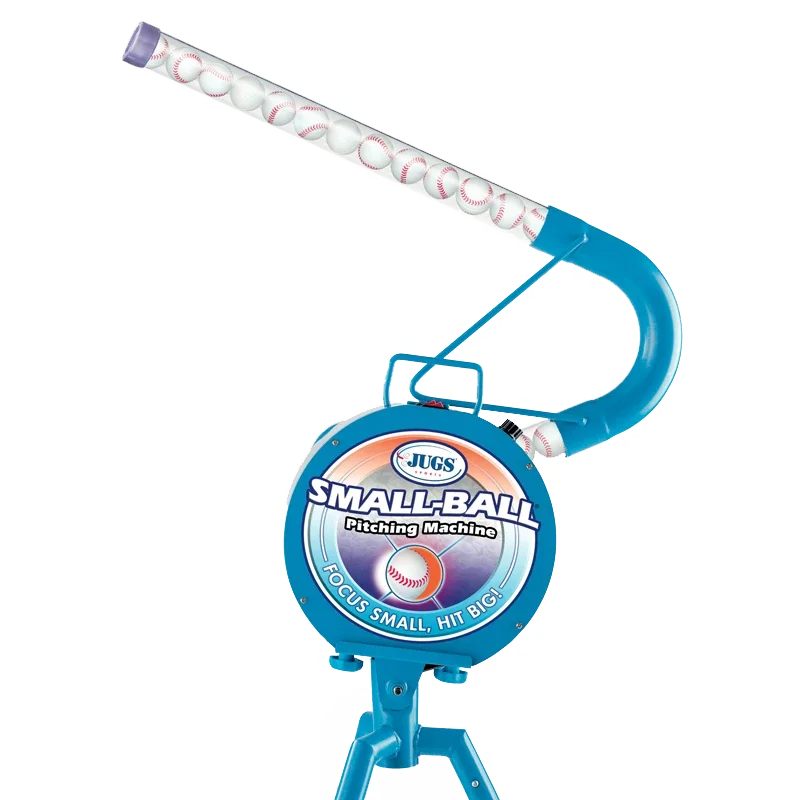
These practice tools solve different problems. Decide whether the session is about stationary contact, tracking a short toss, or handling a machine delivery before spending on equipment.
Read the comparison →Choose the Advanced if you want to explore a two-piece Ghost. Start with the Unlimited if you prefer the one-piece branch. Then compare the exact size, drop, and competition restrictions.
Read the comparison →Choose the permitted standard and a manageable size first. Material is a useful filter, but it does not establish the best bat for every player.
Read the comparison →