
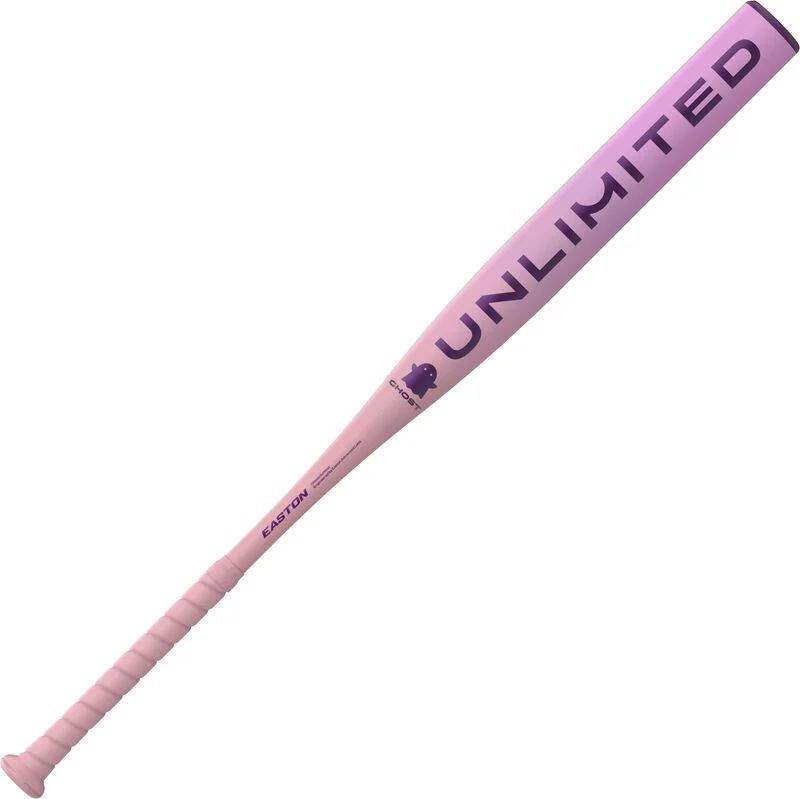
Easton Ghost Unlimited
One-piece, considered
Read our review →Fastpitch and slowpitch deserve their own playbook. Start with fit, feel, and the right equipment for your game.
One-piece, considered
Read our review →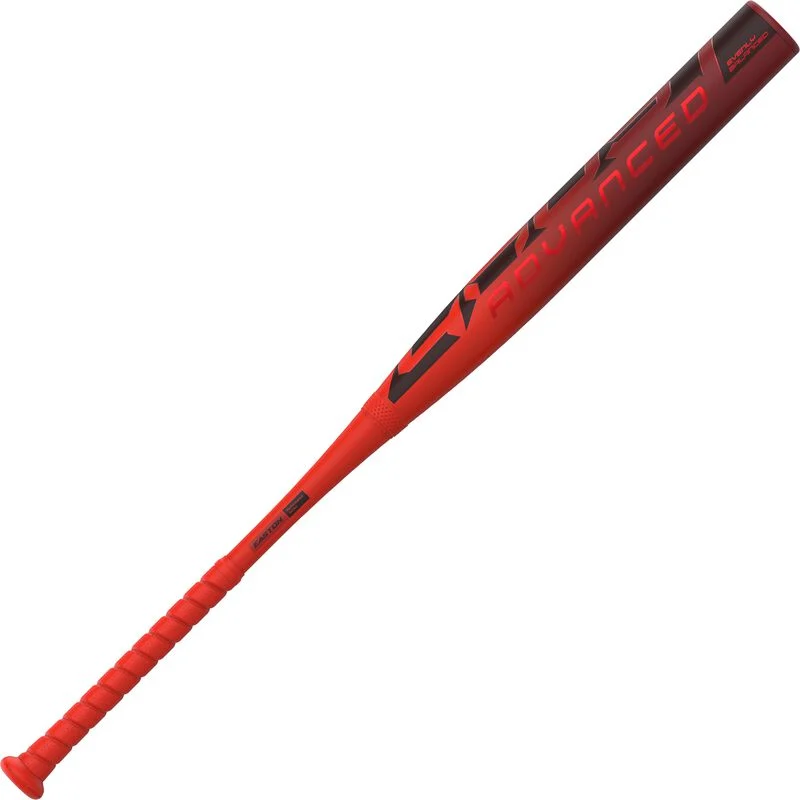
The two-piece option
Read our review →
The minus number on a bat is a useful sizing shortcut. It tells you the relationship between length and stated weight, but not the full story of how the bat will swing.
Read the guide →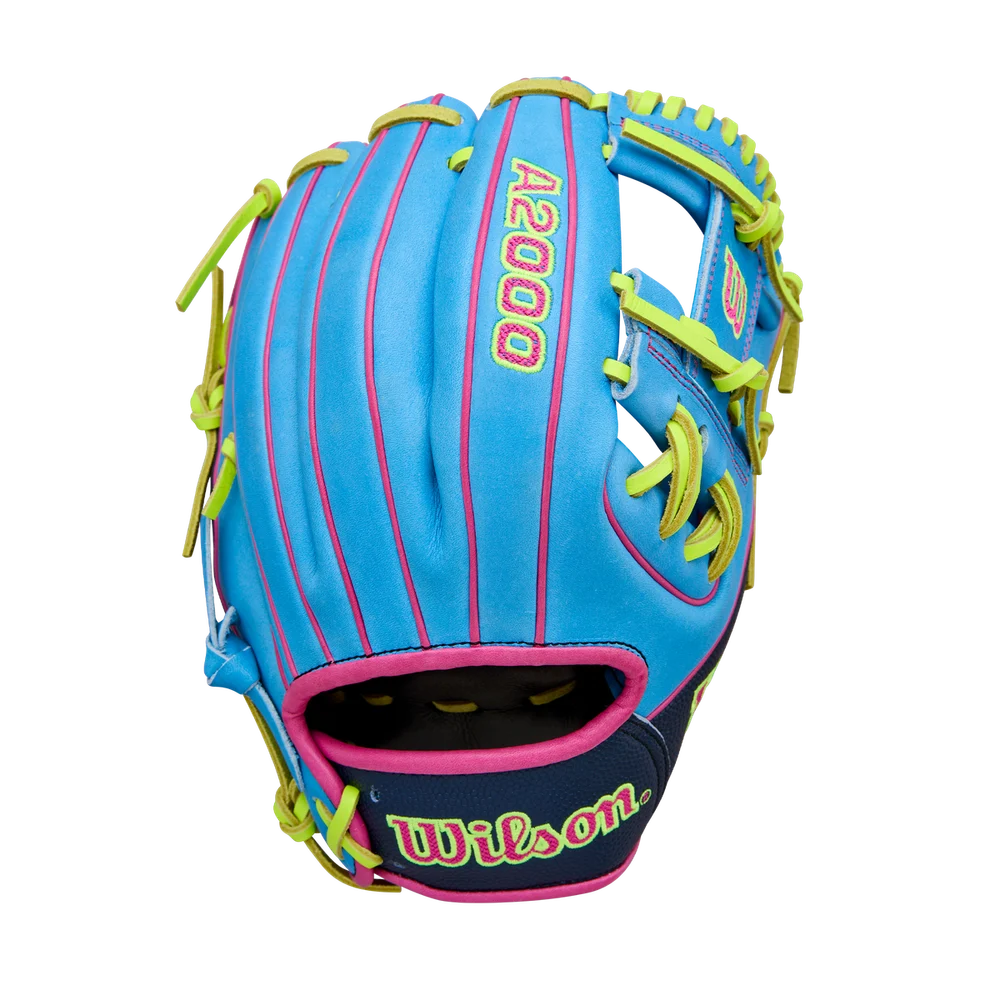
The goal is a glove that opens and closes naturally while keeping the pocket you need. Softening every part as quickly as possible can work against that goal.
Read the guide →Good glove care starts with removing dirt and letting the glove dry appropriately. Adding oil after every outing is not a complete cleaning routine.
Read the guide →A glove’s inch measurement describes the equipment, not your hand. Measuring it correctly helps you identify a used glove or compare patterns, but fit still needs a separate check.
Read the guide →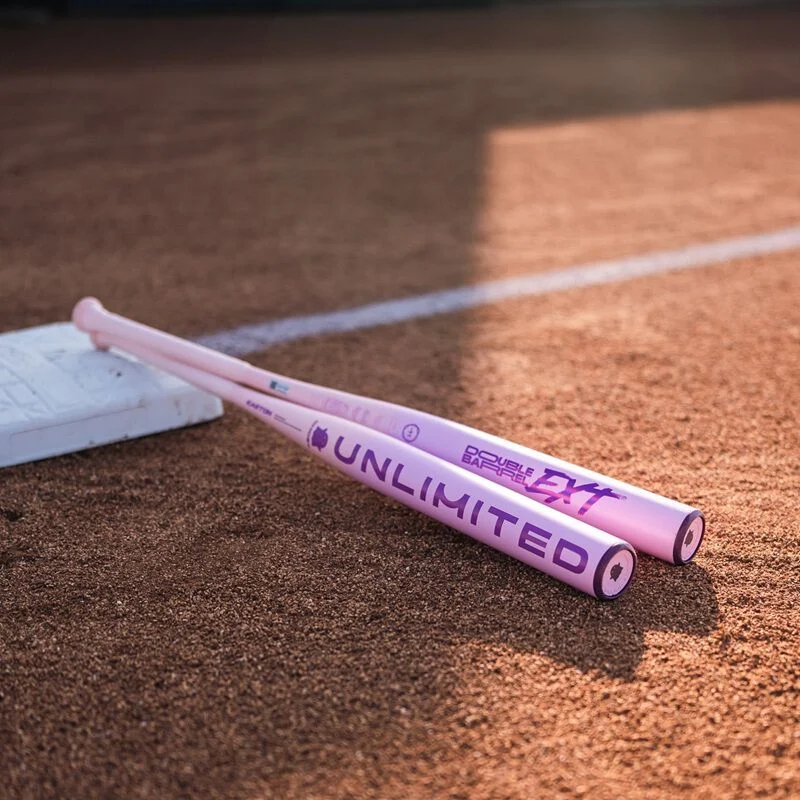
Two bats can share a length and ounce label yet ask different things of your swing. Balance describes where the mass sits, not just how much the bat weighs.
Read the comparison →Construction and material are separate choices. Knowing that distinction makes it easier to compare a stiff-feeling alloy bat, a one-piece composite, and a connected two-piece design.
Read the comparison →A softball label is not the whole specification. Start by identifying the version of the game you play, then compare the correct models and association requirements.
Read the comparison →The number on the glove does not describe the whole pocket. A useful comparison starts with the ball, your position, and how securely the glove fits your hand.
Read the comparison →There is no useful universal swing count for every composite bat. Start by finding the directions for the actual model, not just another bat made from the same broad material.
Read the guide →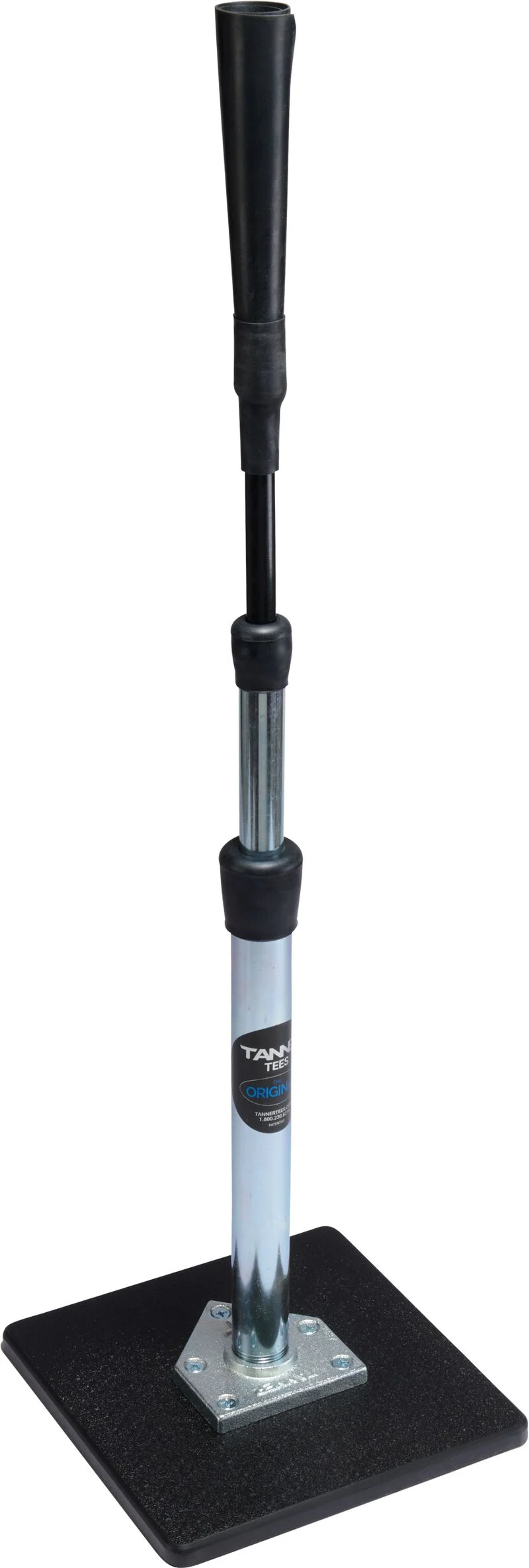
A tee removes the need to time a moving pitch, making it useful for a focused contact session. Keep the first routine simple enough that the player knows what each round is for.
Read the guide →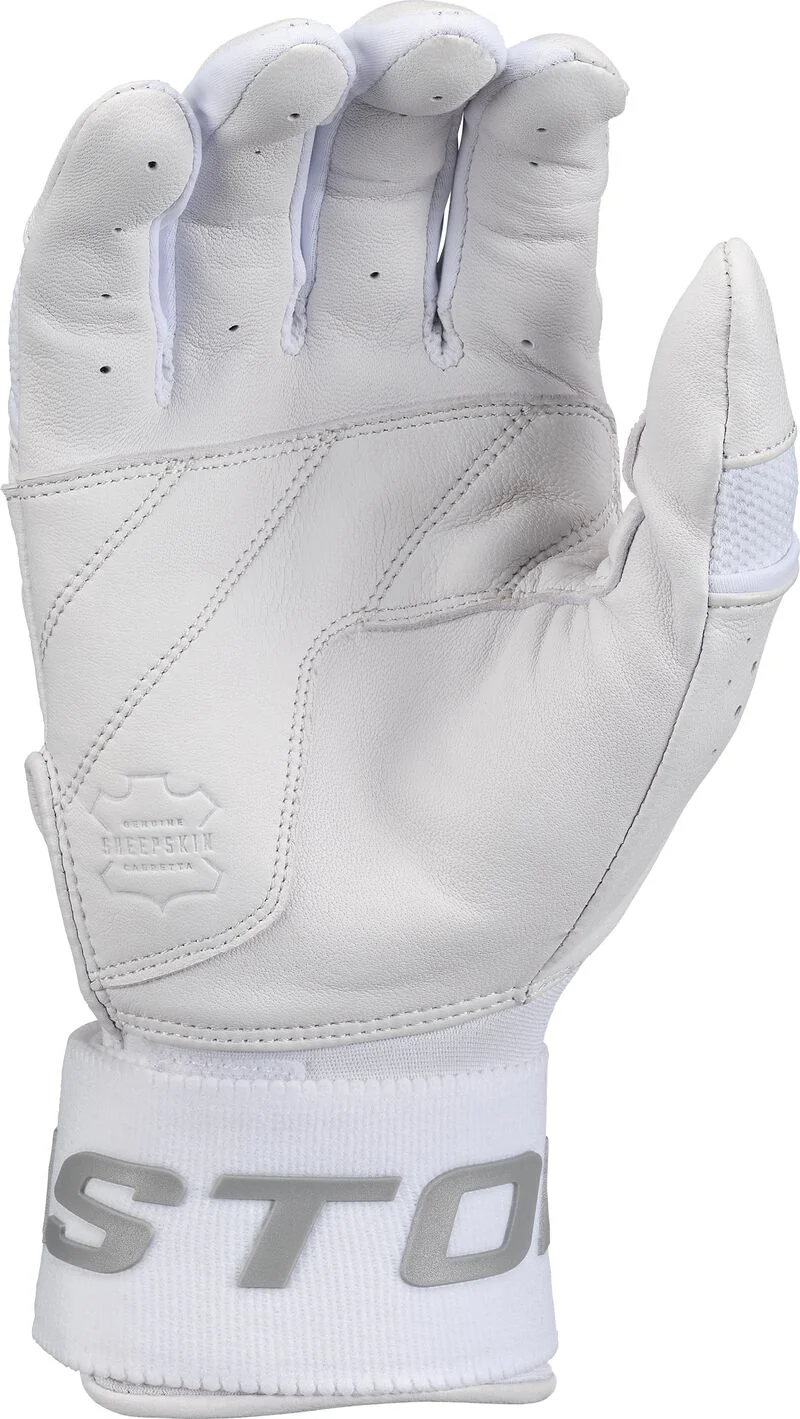
Small, medium, and large only help when you know which size chart they belong to. Start with a hand measurement, then check how the actual glove feels around a bat.
Read the guide →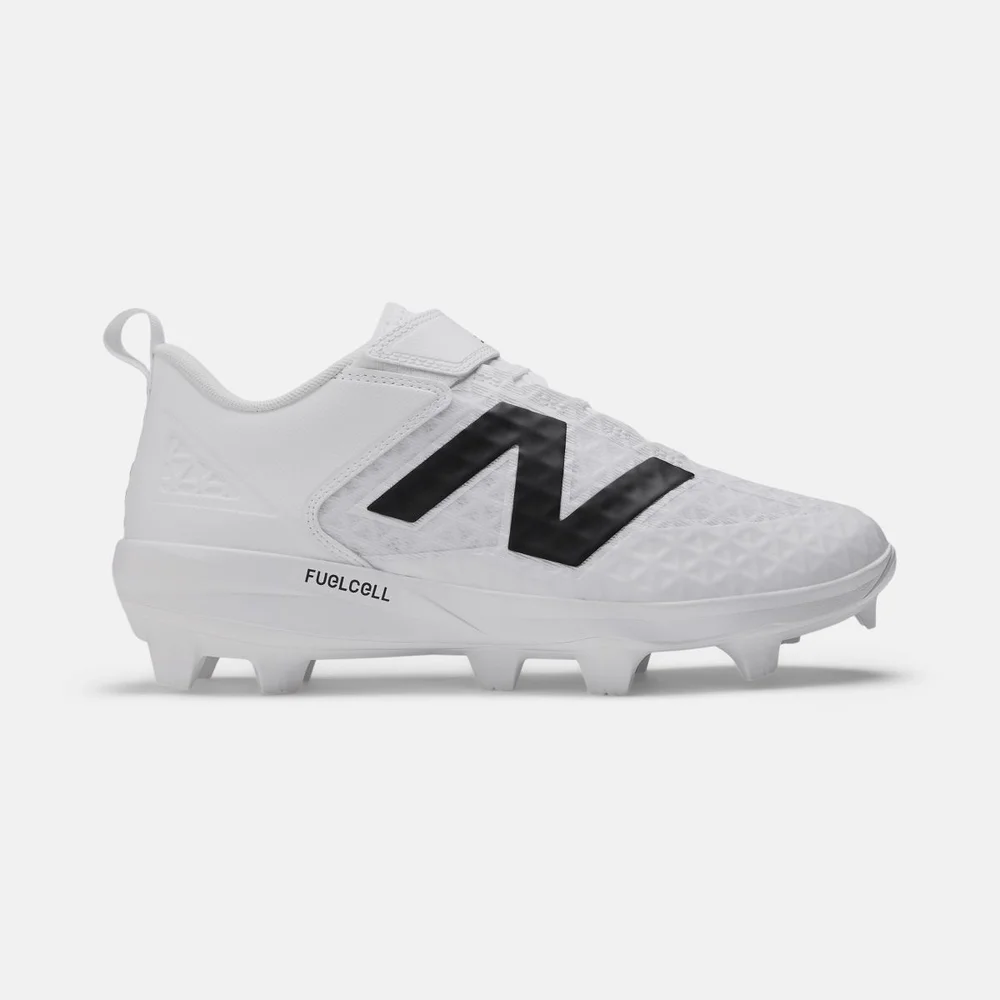
The right outsole starts with where you will play and what is permitted there. A shoe that fits well can still be the wrong purchase for the venue.
Read the comparison →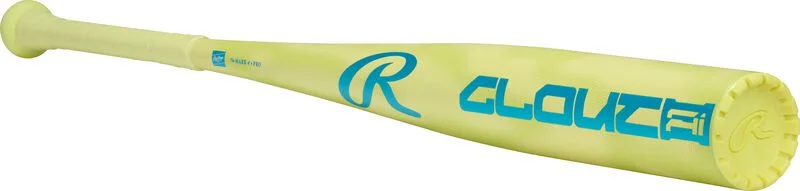
A grip change affects the handle you actually hold. Think about thickness, feel, and installation together instead of choosing the thickest option by default.
Read the guide →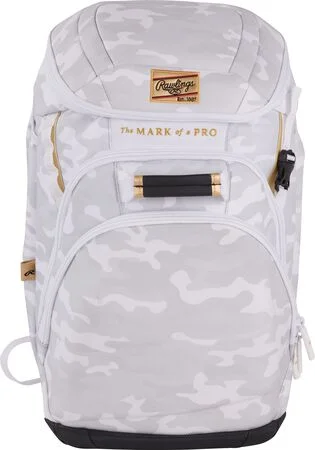
Choose the bag after you know what has to go inside it. A useful capacity check includes the helmet and shoes, not just the glove and bat shown in the product photo.
Read the guide →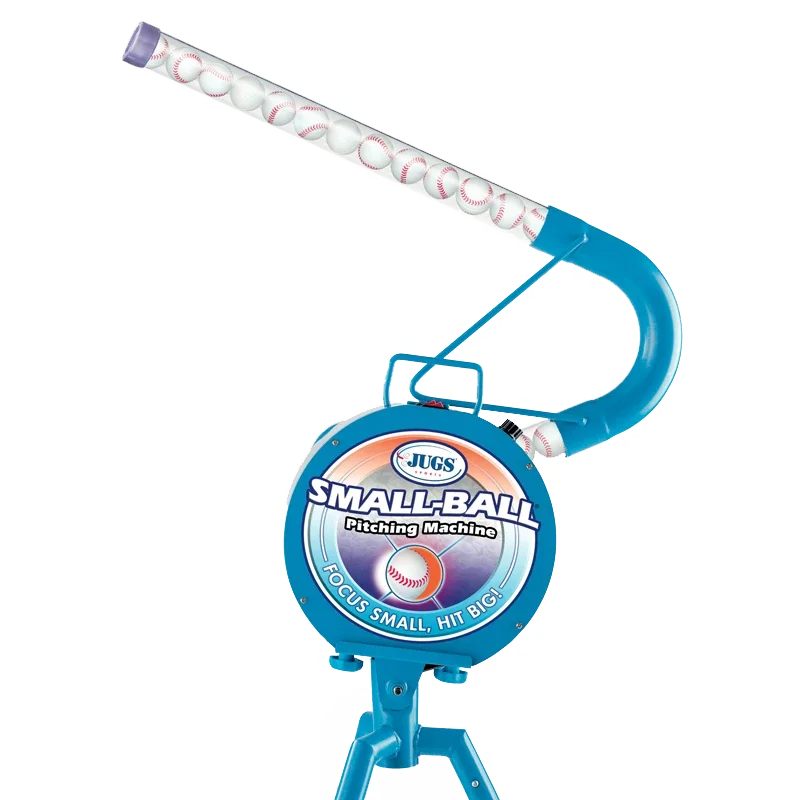
These practice tools solve different problems. Decide whether the session is about stationary contact, tracking a short toss, or handling a machine delivery before spending on equipment.
Read the comparison →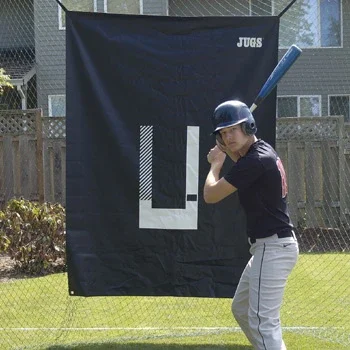
A hitting net is part of a practice area, not a guarantee that every ball will be contained. Start with the activity and surroundings, then compare the net system designed for that use.
Read the guide →The best starting point is a bat the player can control. Choose the right certification and size before comparing one-piece and two-piece construction.
Read the guide →A softball glove needs to suit the ball, your position, and your hand. Start with those three questions before choosing a material or a colorway.
Read the guide →Choose the Advanced if you want to explore a two-piece Ghost. Start with the Unlimited if you prefer the one-piece branch. Then compare the exact size, drop, and competition restrictions.
Read the comparison →