The quick answer
Fastpitch and slowpitch bats are designed and sold for different forms of softball. Fastpitch shopping commonly pairs length with drop weight; slowpitch shopping often emphasizes the stated ounce weight and balance of a model. A shared-looking barrel or association name does not make a bat interchangeable between the two categories.
At a glance
| Question | Fastpitch | Slowpitch |
|---|---|---|
| Which category to browse? | Fastpitch softball bats | Slowpitch softball bats |
| How is weight often presented? | Length plus drop, such as 32 inches / -10 | Stated ounces with model length and balance |
| What should be verified? | Exact model, size, association and division | Exact model, association, event and permitted balls |
| Which guide transfers automatically? | Model-specific instructions only | Model-specific instructions only |
The game comes before the paint scheme
If you are buying for a team, ask the coach or organizer whether the competition is fastpitch or slowpitch and get its current equipment rules. Then browse that category explicitly. A bat that looks familiar can be an entirely different product from the model you intended to order.
This also helps when searching used listings. Ask for photographs of the full bat, model identification, length/weight markings, and certification stamps. A listing title that says softball is too broad to establish the intended use.
Understand the label before comparing ounces
A 32-inch -10 fastpitch label works out to 22 stated ounces. A slowpitch listing may present an ounce choice more prominently. Read the complete specification in either case, including the actual length and any end-load description.
Do not move directly from a fastpitch size you know to a slowpitch bat merely because the stated ounces seem close. The length and mass distribution may be different. Fit the new category as a new decision rather than treating the old bat’s drop as a universal target.
Read association language carefully
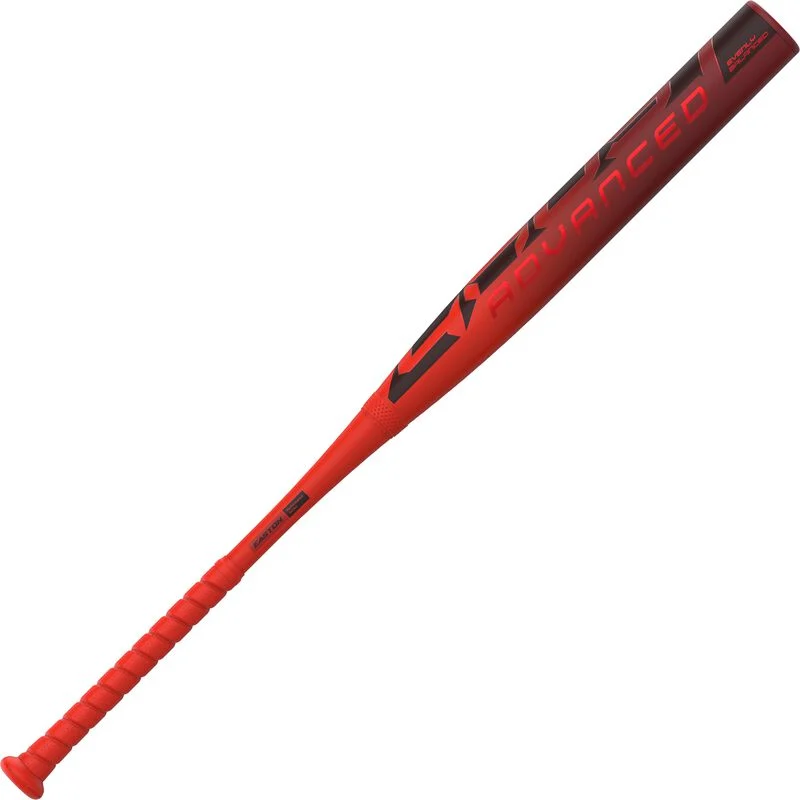
An association can oversee more than one form of play. Easton’s Ghost Advanced description, for example, specifies USSSA fastpitch in its association list and separately notes a college restriction for -11. General approval language needs to be read alongside those details.
For slowpitch, verify the actual association and event rules, including any ball or bat-testing requirements that apply. Do not assume that a similarly shaped fastpitch bat or a bat approved for another competition meets those conditions.
Carry over the fitting habits, not the assumptions
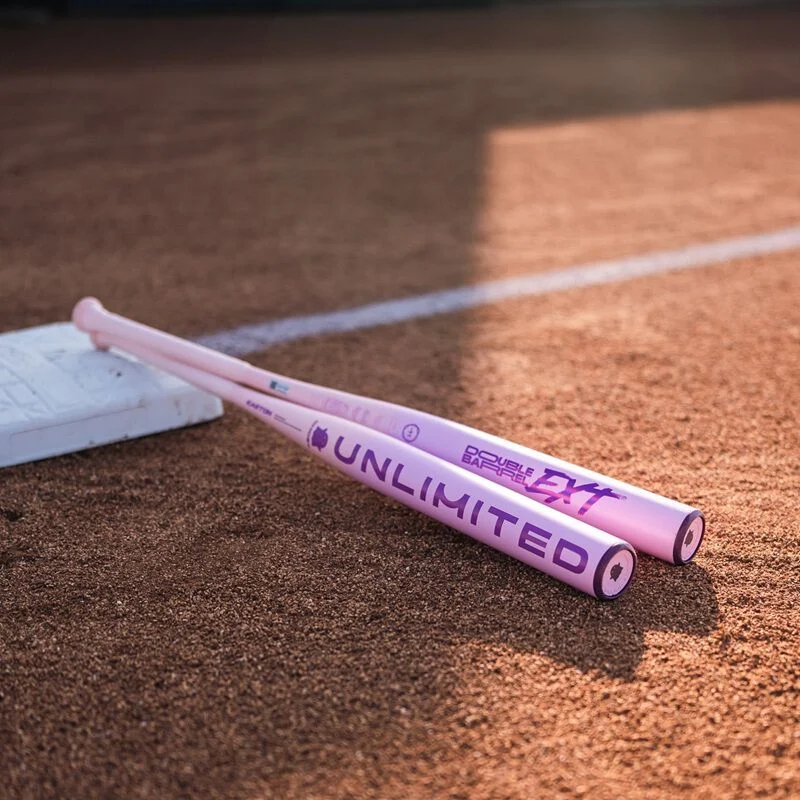
Useful habits transfer between sports: start with a controllable size, compare exact models, and check seller returns. Specific bat-care protocols do not necessarily transfer. A slowpitch break-in guide can name a particular ball type and temperature guidance that should not be applied to a fastpitch model by default.
We recommend comparing models inside your actual category first. Fastpitch players can use our fastpitch fitting and Ghost comparison guides. Slowpitch players should prioritize their event’s eligible lineup and then compare balanced or end-loaded options in the intended size.
Your questions, answered.
Can I use a fastpitch bat in slowpitch?
Do not assume so. Check the exact bat’s intended use and the current competition rules before buying or using it.
Does a USSSA mark mean every kind of USSSA play?
No. Check the model’s specific certification, division, and current event rules. Manufacturer listings may distinguish fastpitch from other uses.
Are slowpitch bats always end-loaded?
No. The market includes different balance designs. Read the exact model description.
Can I follow a slowpitch break-in routine for a fastpitch bat?
Only if the fastpitch manufacturer explicitly directs that same routine for your model. Ball types and care requirements can differ.
Sources & further reading
Louisville Slugger: fastpitch bat selection ↗Slugger Slow Pitch: model-specific composite break-in ↗Easton: Ghost Advanced association and drop notes ↗Sources reviewed . For equipment care, follow the instructions for your exact model. For competition use, check your governing body’s current rules.